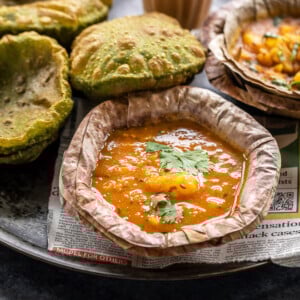
Aloo Rasedar: A Preparation for Potato Curry Excluding Onion and Garlic
### Aloo Rasedar: A North Indian Treasure from Uttar Pradesh
Aloo Rasedar is a beloved dish in North Indian fare, especially in the state of Uttar Pradesh. This straightforward yet tasty potato curry is frequently enjoyed with puris, making it a favored option for breakfast or during celebrations. The dish is famed for its soothing qualities and its ability to elevate spirits, particularly on dreary days.
#### The Heart of Aloo Rasedar
At its essence, Aloo Rasedar is a potato-centric curry that is characterized by its distinctive mixture of spices. Unlike many traditional preparations, this recipe omits onion and garlic, making it compatible with various dietary habits. The cooking process involves boiling potatoes and subsequently simmering them in a spiced gravy, which can differ from one household to another. Each cook imparts their personal flair, resulting in a charming variety of tastes.
#### Ingredients and Method
The key components for Aloo Rasedar consist of:
– Potatoes
– A combination of spices (cumin seeds, turmeric, coriander powder, and garam masala)
– Fresh coriander for garnishing
– Optional additions like tomato puree and green peas for enhanced flavor and texture
The method is simple. After boiling the potatoes, they are peeled and diced. The spices are fried in oil, and the potatoes are introduced to the mixture, allowing them to take in the flavors. In under 15 minutes, you can have a delectable rasedar aloo ki sabzi ready to serve.
#### Serving Ideas
Aloo Rasedar is ideally paired with puffed puris, which are deep-fried unleavened bread. The combination of the spicy potato curry and the crunchy puris makes for a satisfying meal that is both hearty and comforting. It can also be complemented with other dishes like kachoris or parathas, making it a flexible addition to any meal.
#### Variations
While the traditional recipe is cherished, there are adaptations that include extra ingredients. Some chefs add tomato puree for a zesty flavor, while others incorporate green peas (matar) to improve the dish’s texture and nutritional profile. Each variation introduces a new aspect to the classic recipe, permitting creativity in the kitchen.
#### Conclusion
Aloo Rasedar is not merely a dish; it represents comfort and warmth in North Indian homes. Its simplicity and rich flavors make it a favorite among families, and its versatility guarantees that it can be enjoyed in numerous ways. Whether you are making it for a festive event or a casual family dinner, Aloo Rasedar is bound to be a favorite. Try this delightful recipe the next time you seek a comforting meal, and savor the joy it brings to your table.
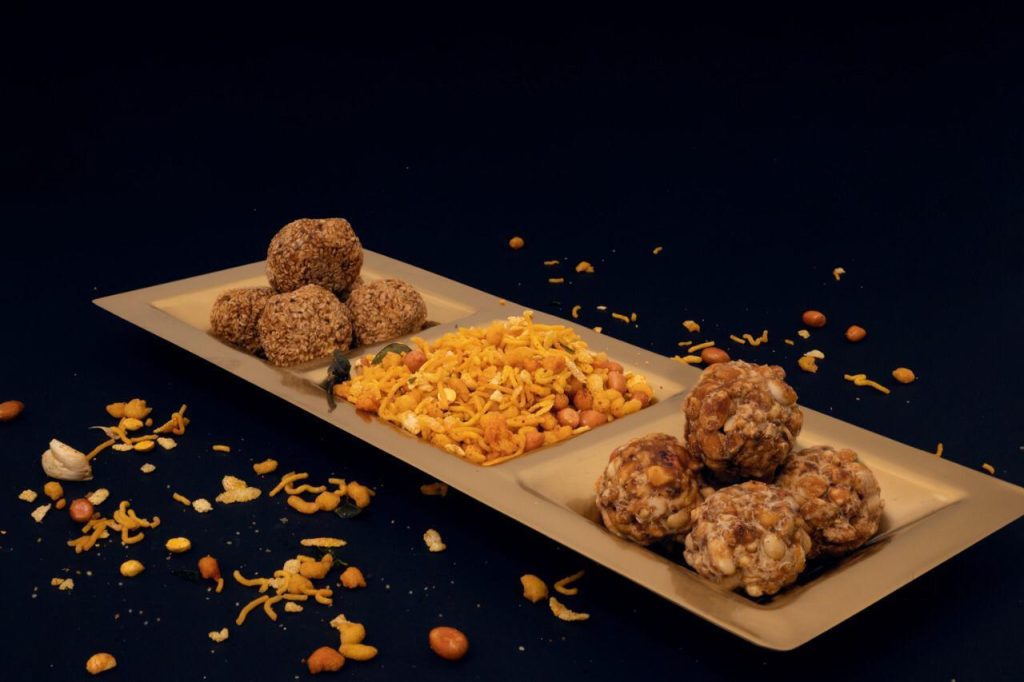
Commemorating 8 Years of Badusha: A Contemplation on the Blog Anniversary
### Badusha: A Tasty North Indian Treat
Badusha, referred to as Balushahi or Badhusha, is a cherished Indian dessert that occupies a unique spot in the affection of many. This flaky, airy, round-shaped confection is especially favored in North India, where it frequently graces mithai shops. The dessert is distinguished by its golden hue and its distinct texture, featuring a crunchy outer shell paired with a tender, succulent center.
#### Ingredients and Method
The primary components for Badusha comprise all-purpose flour (maida), ghee, and curd. The process begins with forming a dough from these elements, which is then molded into small spheres that are gently flattened. These dough spheres are deep-fried until they attain a gorgeous golden tone. The final step involves allowing the fried Badusha to absorb warm sugar syrup, which amplifies its sweetness and contributes to its moist consistency.
#### Essential Steps for Making Badusha
Though the Badusha recipe might appear challenging for novices, it can be accomplished with meticulous attention to detail. Here are the vital steps to ensure a successful outcome:
1. **Forming the Dough**: While shaping the dough spheres, it is crucial to create indentations in the middle. This action aids the Badusha in puffing up during frying and provides it with its signature form.
2. **Frying Method**: Frying must be conducted over a low flame. This technique ensures that the Badusha cooks uniformly, resulting in a crispy exterior while keeping the interior tender.
3. **Sugar Syrup Thickness**: Achieving the appropriate thickness for the sugar syrup is essential. It should be warm and not overly viscous, permitting the Badusha to absorb just the right amount of sweetness without becoming excessively soggy.
#### Honoring Tradition
Badusha is more than just a dessert; it signifies a celebration of tradition and culture. Often enjoyed during festivals, weddings, and noteworthy events, it adds joy to gatherings and stands as a proof of India’s rich culinary legacy.
For those looking to dive deeper into the world of Indian sweets, Badusha is an excellent starting point. Its delightful flavor and texture make it popular among many, and with practice, anyone can excel in this traditional recipe.
#### Conclusion
In summary, Badusha is a treasured North Indian sweet that blends simplicity with rich tastes. With its flaky outside and soft inside, it is a delicacy that is certain to impress. Whether you are marking a special event or simply satisfying a sweet tooth, Badusha is a delightful option that encapsulates the essence of Indian sweets.

Marble Bundt Cake Recipe: A Tasty Blend of Chocolate and Vanilla Tastes
# Marble Bundt Cake: A Festivity of Flavor and Enjoyment
This year, Children’s Day celebrated the 125th birth anniversary of Pandit Jawaharlal Nehru, fondly referred to as Chacha Nehru. To honor this event, I surprised my son, Nehal, and his friends with a scrumptious Marble Bundt Cake, a straightforward yet delectable recipe that highlights the traditional flavors of vanilla and chocolate.
## What is a Marble Bundt Cake?
For those unfamiliar with baking, a marble bundt cake is a visually appealing dessert that merges two unique flavors: a luscious vanilla cake batter intertwined with dark chocolate cake batter. This cake is baked in a bundt pan, which gives it an attractive shape and texture. The outcome is a moist, flavorful cake that is bound to captivate both children and adults.
## The Recipe
I utilized an award-winning recipe from chef Sarabeth, which has become a fundamental part of my baking collection. This cake features an unmatched flavor, a tender consistency, and a delightful crust that gets better over time. It’s an irresistible treat that will have your friends requesting it at every gathering.
### Ingredients:
– Vanilla cake batter
– Dark chocolate cake batter
– Optional: powdered sugar, chocolate glaze, or ganache for decoration
### Instructions:
1. Prepare both vanilla and chocolate cake batters.
2. Spoon the batters into the bundt pan in a random design.
3. Use a chopstick to swirl through the batters, achieving a marbled effect.
4. Bake as per the recipe instructions until a toothpick inserted comes out clean.
5. Allow to cool prior to removing from the pan.
## Serving Suggestions
Though the marble bundt cake is delightful on its own, you can beautify its presentation by sprinkling it with powdered sugar or drizzling a thin chocolate glaze or ganache over the top. Nonetheless, it’s truly enjoyable when served plain. Slice the cake and accompany it with a cup of coffee for adults or a glass of milk for the children.
For those who desire a smaller serving, you can conveniently halve the recipe to create a loaf cake. If you haven’t yet acquired a bundt pan, I highly suggest adding one to your kitchen essentials. The distinct shape not only enhances the presentation but also assists the cake in baking evenly.
## Conclusion
The Marble Bundt Cake is more than just a dessert; it’s a celebration of flavors that brings happiness to any occasion. Whether you’re commemorating a special day like Children’s Day or simply indulging in a weekend treat, this cake is bound to be a favorite. So gather your ingredients, enjoy the art of baking, and craft a marbled masterpiece that will please everyone at your table.
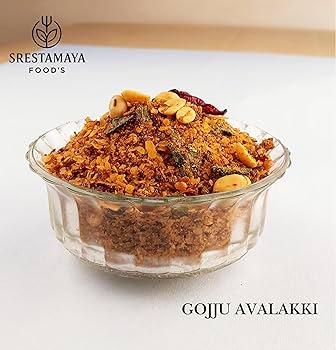
Gojju Avalakki: A Recipe for Zesty Seasoned Poha
### Simple and Fast Breakfast Dish: Gojju Avalakki
For newly married homemakers eager to create swift and delicious breakfast choices, Gojju Avalakki, commonly known as Huli Avalakki, is a fantastic option. This authentic South Indian delicacy is not only quick to make but also infused with flavors that will please your family.
#### What is Gojju Avalakki?
Gojju Avalakki is a vegetarian breakfast item from Karnataka made with beaten rice, also known as Poha or Atukulu. The word “Gojju” refers to gravy, while “avalakki” signifies beaten rice. This recipe merges the distinctive tang of tamarind with the sweetness of jaggery and the warmth of spices, resulting in a well-balanced meal.
#### Ingredients
– 1 cup beaten rice (Poha)
– 1 tablespoon tamarind pulp
– 1 tablespoon jaggery (or to taste)
– 1 teaspoon rasam powder
– 2 tablespoons oil
– 1 teaspoon mustard seeds
– 1 teaspoon urad dal
– 2-3 green chilies, slit
– 10-12 roasted peanuts
– Fresh coconut, grated (for garnish)
– Fresh coriander leaves, chopped (for garnish)
– Salt to taste
#### Preparation Steps
1. **Soak the Beaten Rice**: Wash the beaten rice in water and allow it to soak for around 5-10 minutes until soft. Drain any excess water.
2. **Prepare Tamarind Mixture**: In a bowl, combine the tamarind pulp with jaggery, rasam powder, and salt. Adjust the sweetness and salt to match your preference.
3. **Tempering**: Heat oil in a pan over medium flame. Add mustard seeds and let them crackle. Next, add urad dal and sauté until golden. Incorporate slit green chilies and roasted peanuts, stirring for a minute.
4. **Combine Ingredients**: Add the soaked beaten rice to the pan and pour the tamarind mixture over it. Stir thoroughly to ensure the beaten rice is well-coated with spices and flavors.
5. **Final Touch**: Cook for another 2-3 minutes, stirring occasionally. Remove from the heat and add grated coconut and chopped coriander leaves for garnish.
#### Serving Suggestions
Serve Gojju Avalakki hot, paired with yogurt or pickle for an added kick. This dish is quick to prepare and offers a nutritious start to your day, making it perfect for hectic mornings.
### Conclusion
Gojju Avalakki is an enjoyable breakfast choice that can be made in less than 30 minutes, making it perfect for those early mornings when you aim to serve a delectable meal by 7:30 am. With its unique array of flavors and textures, this dish is sure to become a cherished favorite in your home. Enjoy the cooking and experimenting with this straightforward yet tasty recipe!
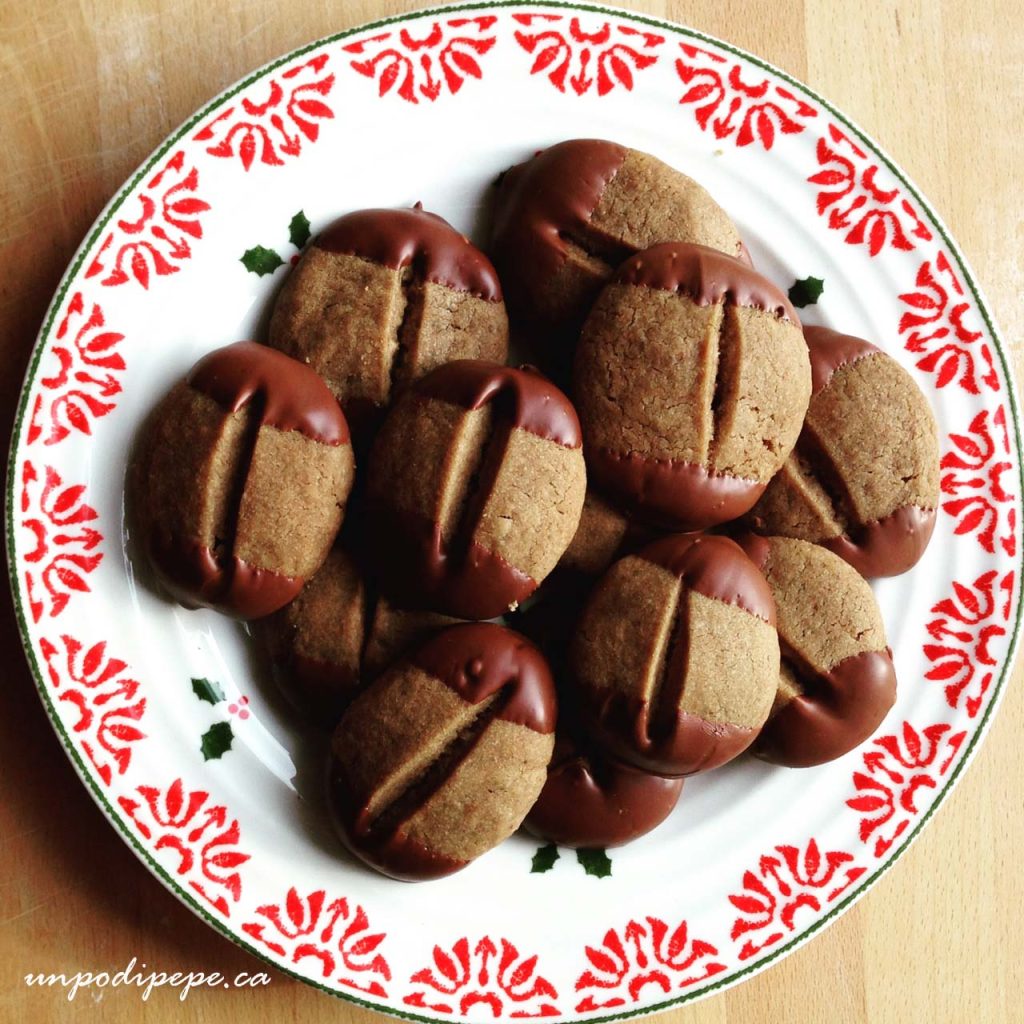
Espresso-Enhanced Chocolate Shortbread Cookie Recipe
# Espresso Chocolate Shortbread Cookies
As the festive period draws near, numerous individuals start contemplating baking scrumptious delights for loved ones. One charming selection to think about is the Espresso Chocolate Shortbread Cookie, a recipe derived from Dorie Greenspan’s celebrated baking book, “Baking: From My Home to Yours.” This cookie brings together the indulgent tastes of chocolate and coffee, forming an exquisite harmony that is bound to impress.
## The Ideal Combination: Coffee and Chocolate
Espresso and chocolate create a pairing that is simply divine. The inclusion of espresso not only amplifies the chocolate flavor but also introduces a richness that evolves with time. These cookies are not merely a holiday confection; they serve as a year-round treat that pairs wonderfully with a cup of coffee.
## Recipe Highlights
### Ingredients
While the comprehensive recipe is available in Dorie Greenspan’s book, here are several crucial aspects to keep in mind while crafting your Espresso Chocolate Shortbread Cookies:
– **Quality Ingredients:** Employ high-quality cocoa powder and finely ground espresso for optimal flavor.
– **Powdered Sugar:** A slight increase in the quantity of powdered sugar can boost the sweetness and texture.
– **Salt:** A pinch of salt can enhance the flavors, creating a balance between sweetness and richness.
### Baking Tips
1. **Chill the Dough:** Cool the cookie dough in the refrigerator prior to baking to help preserve the shape and enhance the texture.
2. **Monitor the Baking Time:** Shortbread cookies may not noticeably change color during baking, so it’s crucial to inspect the underside for a golden tint to ensure they are done.
3. **Texture Matters:** Strive for a light, tender texture. Overbaking may result in a dry cookie, so keep an attentive watch on them while they bake.
## The Final Touch
Once baked, let the cookies cool entirely. The coffee flavor will intensify after a day or two, making them even more delightful. These cookies are not only enjoyable on their own but also constitute a splendid gift idea during the holiday period.
## Conclusion
Dorie Greenspan’s Espresso Chocolate Shortbread Cookies are essential for anyone eager to enhance their holiday baking. With their irresistible taste and perfect combination with coffee, they are destined to become a favorite among friends and family. Whether you choose to gift them or savor them yourself, these cookies are a charming addition to any festive celebration.
Aloo Rasedar: A Preparation for Potato Curry Excluding Onion and Garlic
### Aloo Rasedar: A North Indian Treasure from Uttar Pradesh
Aloo Rasedar is a beloved dish in North Indian fare, especially in the state of Uttar Pradesh. This straightforward yet tasty potato curry is frequently enjoyed with puris, making it a favored option for breakfast or during celebrations. The dish is famed for its soothing qualities and its ability to elevate spirits, particularly on dreary days.
#### The Heart of Aloo Rasedar
At its essence, Aloo Rasedar is a potato-centric curry that is characterized by its distinctive mixture of spices. Unlike many traditional preparations, this recipe omits onion and garlic, making it compatible with various dietary habits. The cooking process involves boiling potatoes and subsequently simmering them in a spiced gravy, which can differ from one household to another. Each cook imparts their personal flair, resulting in a charming variety of tastes.
#### Ingredients and Method
The key components for Aloo Rasedar consist of:
– Potatoes
– A combination of spices (cumin seeds, turmeric, coriander powder, and garam masala)
– Fresh coriander for garnishing
– Optional additions like tomato puree and green peas for enhanced flavor and texture
The method is simple. After boiling the potatoes, they are peeled and diced. The spices are fried in oil, and the potatoes are introduced to the mixture, allowing them to take in the flavors. In under 15 minutes, you can have a delectable rasedar aloo ki sabzi ready to serve.
#### Serving Ideas
Aloo Rasedar is ideally paired with puffed puris, which are deep-fried unleavened bread. The combination of the spicy potato curry and the crunchy puris makes for a satisfying meal that is both hearty and comforting. It can also be complemented with other dishes like kachoris or parathas, making it a flexible addition to any meal.
#### Variations
While the traditional recipe is cherished, there are adaptations that include extra ingredients. Some chefs add tomato puree for a zesty flavor, while others incorporate green peas (matar) to improve the dish’s texture and nutritional profile. Each variation introduces a new aspect to the classic recipe, permitting creativity in the kitchen.
#### Conclusion
Aloo Rasedar is not merely a dish; it represents comfort and warmth in North Indian homes. Its simplicity and rich flavors make it a favorite among families, and its versatility guarantees that it can be enjoyed in numerous ways. Whether you are making it for a festive event or a casual family dinner, Aloo Rasedar is bound to be a favorite. Try this delightful recipe the next time you seek a comforting meal, and savor the joy it brings to your table.
Read More
Commemorating 8 Years of Badusha: A Contemplation on the Blog Anniversary
### Badusha: A Tasty North Indian Treat
Badusha, referred to as Balushahi or Badhusha, is a cherished Indian dessert that occupies a unique spot in the affection of many. This flaky, airy, round-shaped confection is especially favored in North India, where it frequently graces mithai shops. The dessert is distinguished by its golden hue and its distinct texture, featuring a crunchy outer shell paired with a tender, succulent center.
#### Ingredients and Method
The primary components for Badusha comprise all-purpose flour (maida), ghee, and curd. The process begins with forming a dough from these elements, which is then molded into small spheres that are gently flattened. These dough spheres are deep-fried until they attain a gorgeous golden tone. The final step involves allowing the fried Badusha to absorb warm sugar syrup, which amplifies its sweetness and contributes to its moist consistency.
#### Essential Steps for Making Badusha
Though the Badusha recipe might appear challenging for novices, it can be accomplished with meticulous attention to detail. Here are the vital steps to ensure a successful outcome:
1. **Forming the Dough**: While shaping the dough spheres, it is crucial to create indentations in the middle. This action aids the Badusha in puffing up during frying and provides it with its signature form.
2. **Frying Method**: Frying must be conducted over a low flame. This technique ensures that the Badusha cooks uniformly, resulting in a crispy exterior while keeping the interior tender.
3. **Sugar Syrup Thickness**: Achieving the appropriate thickness for the sugar syrup is essential. It should be warm and not overly viscous, permitting the Badusha to absorb just the right amount of sweetness without becoming excessively soggy.
#### Honoring Tradition
Badusha is more than just a dessert; it signifies a celebration of tradition and culture. Often enjoyed during festivals, weddings, and noteworthy events, it adds joy to gatherings and stands as a proof of India’s rich culinary legacy.
For those looking to dive deeper into the world of Indian sweets, Badusha is an excellent starting point. Its delightful flavor and texture make it popular among many, and with practice, anyone can excel in this traditional recipe.
#### Conclusion
In summary, Badusha is a treasured North Indian sweet that blends simplicity with rich tastes. With its flaky outside and soft inside, it is a delicacy that is certain to impress. Whether you are marking a special event or simply satisfying a sweet tooth, Badusha is a delightful option that encapsulates the essence of Indian sweets.
Read More
Marble Bundt Cake Recipe: A Tasty Blend of Chocolate and Vanilla Tastes
# Marble Bundt Cake: A Festivity of Flavor and Enjoyment
This year, Children’s Day celebrated the 125th birth anniversary of Pandit Jawaharlal Nehru, fondly referred to as Chacha Nehru. To honor this event, I surprised my son, Nehal, and his friends with a scrumptious Marble Bundt Cake, a straightforward yet delectable recipe that highlights the traditional flavors of vanilla and chocolate.
## What is a Marble Bundt Cake?
For those unfamiliar with baking, a marble bundt cake is a visually appealing dessert that merges two unique flavors: a luscious vanilla cake batter intertwined with dark chocolate cake batter. This cake is baked in a bundt pan, which gives it an attractive shape and texture. The outcome is a moist, flavorful cake that is bound to captivate both children and adults.
## The Recipe
I utilized an award-winning recipe from chef Sarabeth, which has become a fundamental part of my baking collection. This cake features an unmatched flavor, a tender consistency, and a delightful crust that gets better over time. It’s an irresistible treat that will have your friends requesting it at every gathering.
### Ingredients:
– Vanilla cake batter
– Dark chocolate cake batter
– Optional: powdered sugar, chocolate glaze, or ganache for decoration
### Instructions:
1. Prepare both vanilla and chocolate cake batters.
2. Spoon the batters into the bundt pan in a random design.
3. Use a chopstick to swirl through the batters, achieving a marbled effect.
4. Bake as per the recipe instructions until a toothpick inserted comes out clean.
5. Allow to cool prior to removing from the pan.
## Serving Suggestions
Though the marble bundt cake is delightful on its own, you can beautify its presentation by sprinkling it with powdered sugar or drizzling a thin chocolate glaze or ganache over the top. Nonetheless, it’s truly enjoyable when served plain. Slice the cake and accompany it with a cup of coffee for adults or a glass of milk for the children.
For those who desire a smaller serving, you can conveniently halve the recipe to create a loaf cake. If you haven’t yet acquired a bundt pan, I highly suggest adding one to your kitchen essentials. The distinct shape not only enhances the presentation but also assists the cake in baking evenly.
## Conclusion
The Marble Bundt Cake is more than just a dessert; it’s a celebration of flavors that brings happiness to any occasion. Whether you’re commemorating a special day like Children’s Day or simply indulging in a weekend treat, this cake is bound to be a favorite. So gather your ingredients, enjoy the art of baking, and craft a marbled masterpiece that will please everyone at your table.
Read More
Gojju Avalakki: A Recipe for Zesty Seasoned Poha
### Simple and Fast Breakfast Dish: Gojju Avalakki
For newly married homemakers eager to create swift and delicious breakfast choices, Gojju Avalakki, commonly known as Huli Avalakki, is a fantastic option. This authentic South Indian delicacy is not only quick to make but also infused with flavors that will please your family.
#### What is Gojju Avalakki?
Gojju Avalakki is a vegetarian breakfast item from Karnataka made with beaten rice, also known as Poha or Atukulu. The word “Gojju” refers to gravy, while “avalakki” signifies beaten rice. This recipe merges the distinctive tang of tamarind with the sweetness of jaggery and the warmth of spices, resulting in a well-balanced meal.
#### Ingredients
– 1 cup beaten rice (Poha)
– 1 tablespoon tamarind pulp
– 1 tablespoon jaggery (or to taste)
– 1 teaspoon rasam powder
– 2 tablespoons oil
– 1 teaspoon mustard seeds
– 1 teaspoon urad dal
– 2-3 green chilies, slit
– 10-12 roasted peanuts
– Fresh coconut, grated (for garnish)
– Fresh coriander leaves, chopped (for garnish)
– Salt to taste
#### Preparation Steps
1. **Soak the Beaten Rice**: Wash the beaten rice in water and allow it to soak for around 5-10 minutes until soft. Drain any excess water.
2. **Prepare Tamarind Mixture**: In a bowl, combine the tamarind pulp with jaggery, rasam powder, and salt. Adjust the sweetness and salt to match your preference.
3. **Tempering**: Heat oil in a pan over medium flame. Add mustard seeds and let them crackle. Next, add urad dal and sauté until golden. Incorporate slit green chilies and roasted peanuts, stirring for a minute.
4. **Combine Ingredients**: Add the soaked beaten rice to the pan and pour the tamarind mixture over it. Stir thoroughly to ensure the beaten rice is well-coated with spices and flavors.
5. **Final Touch**: Cook for another 2-3 minutes, stirring occasionally. Remove from the heat and add grated coconut and chopped coriander leaves for garnish.
#### Serving Suggestions
Serve Gojju Avalakki hot, paired with yogurt or pickle for an added kick. This dish is quick to prepare and offers a nutritious start to your day, making it perfect for hectic mornings.
### Conclusion
Gojju Avalakki is an enjoyable breakfast choice that can be made in less than 30 minutes, making it perfect for those early mornings when you aim to serve a delectable meal by 7:30 am. With its unique array of flavors and textures, this dish is sure to become a cherished favorite in your home. Enjoy the cooking and experimenting with this straightforward yet tasty recipe!
Read More
Espresso-Enhanced Chocolate Shortbread Cookie Recipe
# Espresso Chocolate Shortbread Cookies
As the festive period draws near, numerous individuals start contemplating baking scrumptious delights for loved ones. One charming selection to think about is the Espresso Chocolate Shortbread Cookie, a recipe derived from Dorie Greenspan’s celebrated baking book, “Baking: From My Home to Yours.” This cookie brings together the indulgent tastes of chocolate and coffee, forming an exquisite harmony that is bound to impress.
## The Ideal Combination: Coffee and Chocolate
Espresso and chocolate create a pairing that is simply divine. The inclusion of espresso not only amplifies the chocolate flavor but also introduces a richness that evolves with time. These cookies are not merely a holiday confection; they serve as a year-round treat that pairs wonderfully with a cup of coffee.
## Recipe Highlights
### Ingredients
While the comprehensive recipe is available in Dorie Greenspan’s book, here are several crucial aspects to keep in mind while crafting your Espresso Chocolate Shortbread Cookies:
– **Quality Ingredients:** Employ high-quality cocoa powder and finely ground espresso for optimal flavor.
– **Powdered Sugar:** A slight increase in the quantity of powdered sugar can boost the sweetness and texture.
– **Salt:** A pinch of salt can enhance the flavors, creating a balance between sweetness and richness.
### Baking Tips
1. **Chill the Dough:** Cool the cookie dough in the refrigerator prior to baking to help preserve the shape and enhance the texture.
2. **Monitor the Baking Time:** Shortbread cookies may not noticeably change color during baking, so it’s crucial to inspect the underside for a golden tint to ensure they are done.
3. **Texture Matters:** Strive for a light, tender texture. Overbaking may result in a dry cookie, so keep an attentive watch on them while they bake.
## The Final Touch
Once baked, let the cookies cool entirely. The coffee flavor will intensify after a day or two, making them even more delightful. These cookies are not only enjoyable on their own but also constitute a splendid gift idea during the holiday period.
## Conclusion
Dorie Greenspan’s Espresso Chocolate Shortbread Cookies are essential for anyone eager to enhance their holiday baking. With their irresistible taste and perfect combination with coffee, they are destined to become a favorite among friends and family. Whether you choose to gift them or savor them yourself, these cookies are a charming addition to any festive celebration.
Read More
Gobi Masala: A Cauliflower Dish with Spices
### Gobi Masala: A North Indian Treat
Gobi Masala stands out as a beloved North Indian recipe that showcases the distinct tastes of cauliflower, referred to as “gobi” in Hindi. This dish is not only a regular feature in numerous Indian kitchens but also a preferred choice during the colder months when fresh cauliflower is plentiful. The creation of Gobi Masala includes several key steps that elevate the flavor and texture of the cauliflower, making it an enjoyable complement to any meal.
#### Ingredients
– 1 medium cauliflower (gobi), divided into florets
– 1 cup fresh green peas (matar)
– 2 tablespoons oil (ideally mustard or vegetable oil)
– 1 teaspoon cumin seeds
– 1 onion, finely diced
– 2-3 green chilies, sliced
– 1 tablespoon ginger-garlic paste
– 2 tomatoes, blended
– 1 teaspoon turmeric powder
– 1 teaspoon red chili powder
– 1 teaspoon coriander powder
– 1 teaspoon garam masala
– Salt to taste
– Fresh coriander leaves for decoration
#### Preparation Steps
1. **Blanching the Cauliflower**: Start by boiling a pot of salted water. Introduce the cauliflower florets and blanch them for around 15 minutes. This process softens the cauliflower and enhances its taste. After blanching, strain the florets and keep them aside.
2. **Sautéing the Vegetables**: In a sizable pan, warm the oil over medium heat. Add the cumin seeds and allow them to crackle. Following that, toss in the finely chopped onions and sauté until they achieve a golden-brown hue.
3. **Incorporating Aromatics**: Mix in the sliced green chilies and ginger-garlic paste. Cook for a few minutes until the raw aroma dissipates.
4. **Preparing the Masala**: Introduce the blended tomatoes to the pan. Cook until the oil starts to separate from the mixture. Then, add turmeric powder, red chili powder, coriander powder, and salt. Combine thoroughly and let the spices simmer for several minutes.
5. **Combining Gobi and Matar**: Add the blanched cauliflower florets and fresh green peas to the masala. Stir carefully to ensure the vegetables are coated with the spice blend. Cover the pan and allow it to cook for approximately 10 minutes on low heat, letting the flavors infuse.
6. **Final Touches**: Sprinkle garam masala over the dish and mix delicately. Cook for another 2-3 minutes. Top with freshly chopped coriander leaves.
#### Serving Suggestions
Gobi Masala is ideally served hot with Indian breads such as rotis, naan, or parathas. It pairs excellently with a side of Amritsari dal, yogurt, and a fresh salad, resulting in a fulfilling North Indian meal. This dish not only highlights the flavors of seasonal vegetables but also brings warmth and satisfaction to the dining experience.
#### Conclusion
Gobi Masala is a flexible and delicious dish that captures the spirit of North Indian cuisine. The blend of spices and the inclusion of fresh green peas make it an appealing vegetarian choice. Regardless of your cooking expertise, this recipe is bound to enchant and please your palate. Savor the rich flavors and the health benefits of cauliflower with this delectable Gobi Masala!
Read More
Amritsari Dal: An Authentic Langar Dish
### Dal Amritsari: A Cozy Punjabi Treat
Dal Amritsari is a cherished dish hailing from Punjab, celebrated for its flavorful richness and soothing characteristics. Commonly paired with steaming pulkas, this dal serves as a household staple, particularly during the cold winter months when warmth and sustenance are essential. The dish is intricately tied to the Sikh practice of langar, where meals are offered to everyone, transcending backgrounds and fostering ideals of equality and community.
#### The Spirit of Langar
Langar represents a communal kitchen practice within Sikhism, where complimentary meals are provided to all who enter the Gurudwara. The fare is straightforward yet hearty, often featuring dal, sabzi, and roti. The experience of partaking in langar goes beyond the food itself; it embodies unity and the essence of sharing. The flavors of langar meals, especially Dal Amritsari, occupy a special niche in many hearts, invoking nostalgia of togetherness and warmth.
#### The Distinct Flavor of Dal Amritsari
The distinguishing aspect of Dal Amritsari is the finishing technique known as chownk or tarka. This process entails sautéing spices in ghee until fragrant and then blending them into the creamy dal just prior to serving. This method bestows a distinctive smoky taste that enhances the dish, rendering it a comforting meal that pairs seamlessly with warm rotis or pulkas.
#### Ingredients and Method
Though the Dal Amritsari recipe may differ from one household to another, the essential ingredients generally consist of:
– **Dal**: Typically a combination of lentils, like black gram (urad dal) and kidney beans (rajma).
– **Spices**: Commonly used spices include cumin, coriander, turmeric, and garam masala.
– **Aromatics**: Onions, garlic, and ginger are frequently incorporated to boost flavor.
– **Ghee**: Crucial for the tarka, ghee imparts richness and complexity to the dish.
The process involves soaking the lentils, cooking them until tender, and then tempering with spices and aromatics. The final addition of tarka enlivens the dish, resulting in a luxurious, creamy consistency that is hard to resist.
#### Serving Recommendations
Dal Amritsari is ideally served hot, alongside freshly prepared rotis or pulkas. It can also be enjoyed with rice for a fulfilling meal. Accompanying it with pickles or a fresh salad can provide a delightful contrast to the rich flavors of the dal.
#### Conclusion
Dal Amritsari is much more than a mere dish; it symbolizes community, tradition, and the pleasure of sharing meals. Its soothing traits and robust flavors make it a beloved choice for many, encapsulating the spirit of Punjabi cuisine. Whether savored at a Gurudwara or prepared at home, this dish continually fosters connections among people, reminding us of the principles of service and brotherhood central to the Sikh tradition.
Read More
Cinnamon Roll-Infused Sugar Cookies Recipe
### Cinnamon Roll Sugar Cookies
Cinnamon Roll Sugar Cookies are an exquisite delight that merges the cozy and comforting essence of cinnamon rolls with the timeless sweetness of sugar cookies. These cookies are ideal for gifting, particularly during the festive season, and are guaranteed to bring happiness to anyone who receives them.
#### The Baking Experience
Creating these cookies can be a soothing experience, especially during the hectic holiday period. Numerous bakers discover that the early morning hours provide the perfect opportunity to whip up these tasty delights. The tranquility of the morning, paired with the inviting scent of baking, creates an ideal backdrop for a warm kitchen environment. The excitement of family members waking to the aroma of freshly baked cookies enhances the enjoyment of the baking experience.
#### Recipe Adaptation
The recipe for Cinnamon Roll Sugar Cookies is a variation derived from a holiday cookie recipe found on multiple baking blogs, with origins traced back to The King Arthur Flour Cookie Companion cookbook. This variation offers a distinctive twist on classic sugar cookies, blending in the rich flavor of cinnamon that recalls the essence of cinnamon rolls.
#### Texture and Flavor
The texture of these cookies resembles that of a butter cookie, achieving a perfect harmony between being overly soft and excessively crunchy. This makes them a great option for those who appreciate a traditional cookie that maintains its shape while remaining tender. The cinnamon flavor is bold, making these cookies a festive addition to any holiday cookie spread.
#### Serving Suggestions
Cinnamon Roll Sugar Cookies can be enjoyed plain for a straightforward yet pleasing treat. Alternatively, they can be improved with a drizzle of sugar glaze, adding an additional level of sweetness and visual charm. This adaptability makes them appropriate for a range of events, from informal family get-togethers to more elegant holiday festivities.
### Conclusion
Cinnamon Roll Sugar Cookies are not only a tasty indulgence; they also capture the essence of the holiday season. Whether you are baking them for yourself or as a present for loved ones, these cookies are sure to bring warmth and joy to any household. Celebrate the pleasure of baking and share these wonderful cookies with those you hold dear.
Read More
Chura Matar: A Dish Free of Onion and Garlic
# Chura Matar Recipe ~ Simple Snack Delight
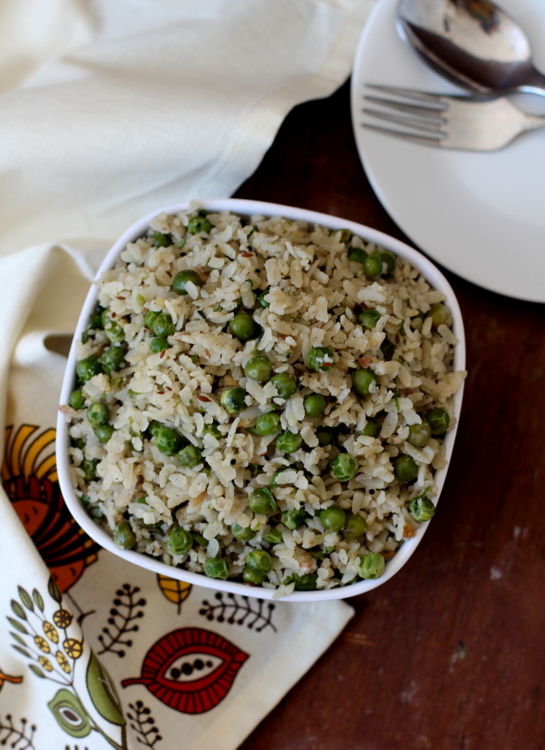
Chura Matar, referred to as Banarasi Poha with peas, is a scrumptious street food treat originating from Uttar Pradesh, India. This dish sees heightened popularity in the winter season when fresh green peas are plentiful. Chura, or flattened rice flakes, acts as a versatile foundation for this dish, presenting an excellent substitute for conventional rice.
## Ingredients
– 2 cups chura (flattened rice flakes)
– 1 cup fresh green peas (cooked)
– 1-2 green chilies (finely diced)
– 1 teaspoon mustard seeds
– 1 teaspoon cumin seeds
– 1/2 teaspoon turmeric powder
– Salt to preference
– 2 tablespoons oil
– Fresh coriander leaves (chopped)
– Lemon juice (optional)
## Instructions
1. **Chura Preparation**: Briefly wash the chura in water to eliminate any dirt. Drain and set it aside. For a softer poha, soak it in milk for around 10-15 minutes.
2. **Spice Cooking**: In a skillet, warm oil over medium heat. Introduce mustard seeds and cumin seeds. Once they begin to crackle, add the diced green chilies.
3. **Incorporating Peas**: Toss in the cooked green peas and sauté for a few minutes. Season with turmeric powder and salt according to taste.
4. **Combining Chura**: Add the soaked or washed chura to the skillet. Gently combine all elements, ensuring the chura is well covered with the spices and peas.
5. **Final Touches**: Take off the heat and mix in the chopped fresh coriander leaves. If desired, incorporate a dash of lemon juice for an extra zest.
6. **Serving**: Present hot as a breakfast item, evening treat, or light meal, ideally alongside adrak wali chai (ginger tea).
## Conclusion
Chura Matar is not only quick to make but also a nutritious dish showcasing the seasonal sweetness of green peas. Its distinctive flavor combined with the delightful consistency of beaten rice makes it a favored option for many. Relish this straightforward yet gratifying snack at any time throughout the day!
Read More
Egg Kothu Parotta Preparation Method
## Kothu Parotta: A Delectable Treat from Tamil Nadu’s Street Scene
Kothu Parotta is a cherished street food that hails from Tamil Nadu, India, celebrated for its distinctive blend of flavors and textures. This dish embodies the region’s culinary ingenuity, merging soft, flaky parottas with a variety of ingredients to create a delectable and fulfilling meal.
### What is Kothu Parotta?
The word “Kothu” means “minced” in Tamil, aptly describing how this dish is prepared. Kothu Parotta consists of leftover parottas, which are layered flatbreads, shredded into small fragments. These fragments are then combined with assorted ingredients, such as vegetables, eggs, or chicken, and cooked with spices and salna, a type of gravy. The mixture is pounded together using a flat spatula, resulting in a delightful mash that is both hearty and flavorful.
### Variations of Kothu Parotta
Kothu Parotta is available in several variations, each providing a distinct taste experience:
1. **Egg Kothu Parotta (Muttai Parotta)**: This variant features scrambled eggs mixed with the shredded parotta and a spiced onion-tomato blend. It is often accompanied by raita, a yogurt-based side, but is just as enjoyable on its own.
2. **Chicken Kothu Parotta**: Ideal for meat enthusiasts, this variation includes tender chicken pieces cooked in salna gravy, offering a rich and savory flavor that pairs well with the parotta.
3. **Vegetable Kothu Parotta**: A vegetarian choice that comprises a mix of vegetables like carrots, beans, and green peas, making it a colorful and healthy option.
### The Preparation Process
To make Kothu Parotta, the parottas are first shredded into small strips. Cooking begins by sautéing onions and tomatoes with spices, creating a fragrant base. The shredded parotta is then combined with this mix, along with the selected protein (eggs or chicken) and salna. The entire blend is pounded together, ensuring that the flavors meld beautifully, resulting in a dish that is both filling and full of taste.
### A Street Food Essential
Kothu Parotta is a mainstay in street food vendors and eateries throughout Tamil Nadu. Its popularity is attributed to its low cost, convenience, and the option to personalize it according to individual tastes. Whether relished as a quick snack or a complete meal, Kothu Parotta is difficult to resist.
### Conclusion
Kothu Parotta is not just a dish; it is a culinary journey that highlights the rich flavors and vibrant culture of Tamil Nadu. With its various adaptations and hearty ingredients, it emerges as a must-try street food for anyone visiting the area. Whether you choose the egg, chicken, or vegetable version, Kothu Parotta guarantees a delightful burst of flavors in every bite.
Read More